What is yeast protein?
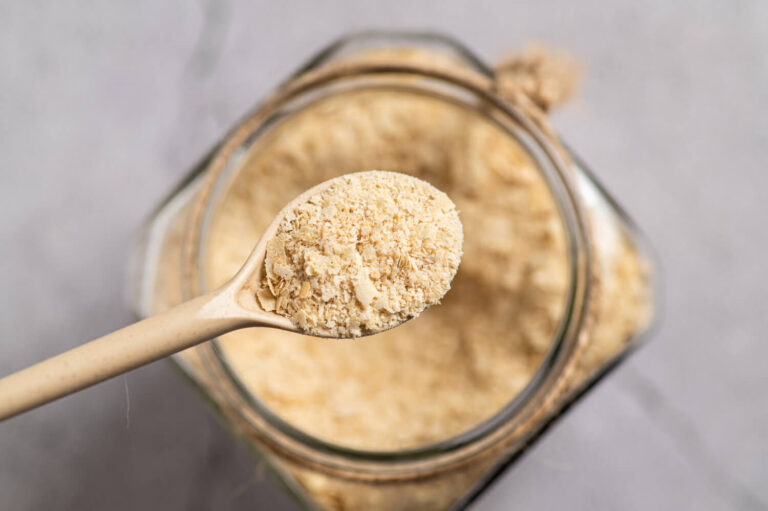
Yeast protein is a highly nutritious fermented vegan protein source. Derived from the single-celled microorganism commonly known as yeast, it is a complete protein that contains all the essential amino acids needed for optimal human health. Amino acids are the building blocks of proteins. They play a critical role in the growth and repair of your body’s muscles, bones, and other tissues. Besides,it is a high-quality source of protein with high bio-availability, the high protein content of yeast protein is derived from the eco-friendly fermentation process, making it an innovative protein source for vegan foods that is free from animal and allergen without unwanted off-notes.
What are the benefits of yeast proteins compared to whey proteins and plant proteins?
Yeast protein contains an exceptional composition of over 80% high-quality protein. Its leucine content and total BCAA content rivals whey protein. As a slow-digesting protein, yeast protein offers a gradual and consistent supply of amino acids, providing a sustained release. Furthermore, yeast protein is enriched with functional polysaccharides that are beneficial for gut health. As a fermentation product, yeast protein excels over plant proteins in terms of its neutral taste, allergen-friendly, reliable supply chain, and reduced land requirements for production. These qualities make yeast protein an excellent choice for consumers seeking alternatives to animal protein supplements, while also addressing sustainability concerns.
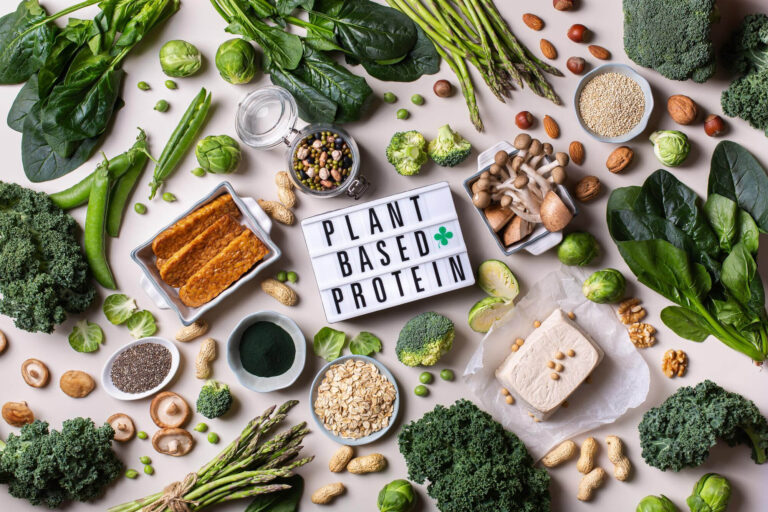
Yeast protein is a vegan-friendly protein source, as it is derived from microorganisms rather than animal products. This makes it an excellent choice for people who follow a flexitarian or plant-based diet or have dietary restrictions due to ethical, environmental, or health reasons.
What types of food and beverages can yeast protein be used in?
Yeast protein is vegan, allergen-free, and easy to digest. It has a neutral flavor and is perfect as a protein supplement in various food and beverage applications. Examples of applications are protein powder drinks, protein bars, snacks, meat analogues, snacks, non-dairy and dairy products, bakery and pastry, beverages, and more. It is also suitable for vegan and vegetarian diets and people with food allergies or sensitivities.
Overall, Yeast protein offers a sustainable, high-quality protein source that may help meet the nutritional needs of various individuals and support a healthy lifestyle.
Why is Yeast protein Sustainable? What are the environmental benefits?
Yeast protein is made through an eco-friendly fermentation process that minimizes environmental impact, requires limited land use for cultivation and is less affected by harvest and seasonality that plant-based protein production is subjected to. Research shows that the carbon emission generated during the production of yeast protein is 20 times less than that of beef, so it is a sustainable protein in comparison to other more resource-intensive and environmentally impactful options. Yeast protein production significantly reduces water consumption, occupies less arable land and generates fewer carbon footprints. The wastewater generated from yeast protein production is used as organic fertiliser for yeast crops, creating a circular economy.
Source : Angel Yeast